Buy freerobux.eu ?
We are moving the project
freerobux.eu .
Are you interested in purchasing the domain
freerobux.eu ?
domain@kv-gmbh.de · 0541-91531010
Buy freerobux.eu ?
What is a virtual server farm?
A virtual server farm is a collection of virtual servers that are hosted on a single physical server or across multiple physical servers. These virtual servers operate independently of each other and can run different operating systems and applications. Virtual server farms are used to maximize the efficiency of server resources, improve scalability, and enhance flexibility in managing and deploying servers. They are commonly used in cloud computing environments to provide on-demand access to computing resources. **
What is a Strato virtual server?
A Strato virtual server is a type of cloud-based server that is provided by the hosting company Strato. It offers users a flexible and scalable solution for hosting websites, applications, and other online services. With a Strato virtual server, users have full control over their server environment, including the ability to customize settings, install software, and manage resources. This type of server is ideal for businesses and individuals looking for a reliable and cost-effective hosting solution. **

Similar search terms for Server
Top-Angebote
Products related to Server:




-
Which online server?
There are many online servers available, each serving different purposes. Some popular online servers include web servers, which host websites and web applications, and game servers, which host online multiplayer games. Additionally, there are file servers for storing and sharing files, email servers for managing email communication, and cloud servers for hosting virtual machines and storage. The choice of which online server to use depends on the specific needs and requirements of the user or organization. **
-
What is the difference between a virtual server and a root server?
A virtual server is a portion of a physical server that is partitioned off and allocated for use by a specific user or application. It operates as an independent server, but it shares the physical resources of the main server with other virtual servers. On the other hand, a root server is a physical server that is dedicated to a single user or organization. It provides full control and access to the entire server, allowing the user to install and configure any software or applications as needed. In summary, the main difference between a virtual server and a root server is the level of control and resource allocation. **
-
Is the ARK server always online?
No, the ARK server is not always online. The server may go offline for maintenance, updates, or technical issues. Additionally, the server may be taken offline by the server administrator for various reasons. It is important to check the server status or contact the server administrator for the most up-to-date information on the server's availability. **
-
Where can I find a free VPS (Virtual Private Server)?
There are several companies that offer free VPS services, such as Google Cloud Platform, Amazon Web Services (AWS), and Microsoft Azure. These companies often provide a limited free tier with certain usage restrictions. Additionally, there are some smaller hosting providers that offer free VPS services with less robust features. It's important to carefully review the terms and conditions of these free services to ensure they meet your needs. **


How can I connect to a virtual server using Putty?
To connect to a virtual server using Putty, you will need to have the server's IP address or hostname, as well as the username and password for the server. Once you have this information, open Putty and enter the server's IP address or hostname in the "Host Name" field. Then, select the connection type (usually SSH) and click "Open". You will be prompted to enter the username and password for the server. Once you have entered this information, you will be connected to the virtual server and can begin managing it through the command line interface. **
What does 80 TB traffic mean for a virtual server?
80 TB of traffic for a virtual server means that the server has processed a very large amount of data. This level of traffic indicates that the server is handling a high volume of requests, data transfers, and communication between users and applications. It also suggests that the server has a significant amount of incoming and outgoing data, which requires robust network infrastructure and processing power to handle efficiently. In summary, 80 TB of traffic for a virtual server signifies a heavy workload and the need for strong performance and capacity to manage such a large amount of data. **
Top-Angebote
Products related to Server:
-
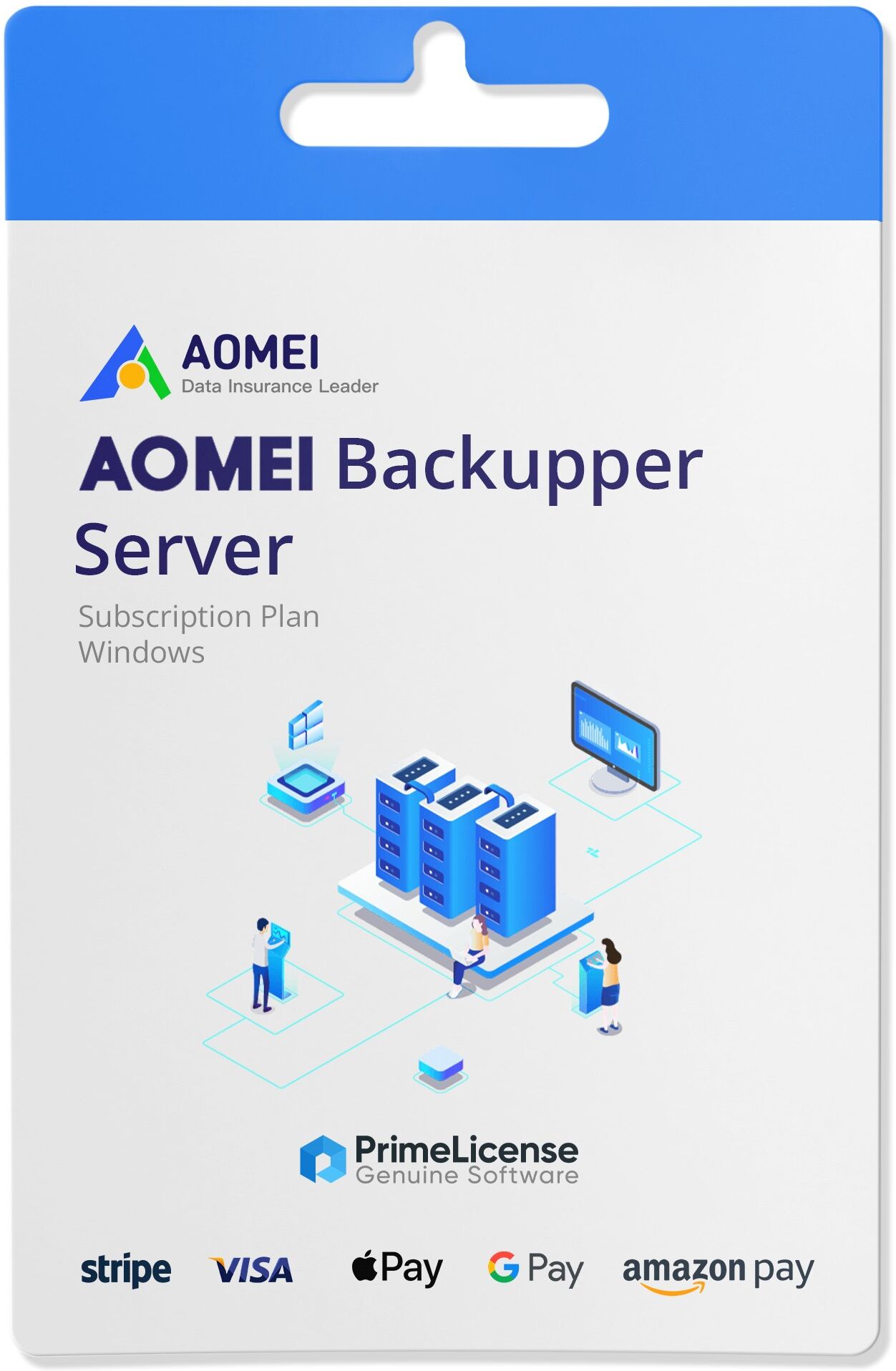
AOMEI Backupper ServerAOMEI Backupper Server is backup and recovery software designed specifically for the needs of small and medium-sized enterprises. With a comprehensive range of tools, it offers effective solutions for securing data on Windows servers. This programme is ideal for anyone wishing to protect their data from accidental loss or cyber-attacks such as ransomware.With a lifetime licence of AOMEI Backupper Server you get complete restoration and protection of your data at a price unmatched in the market.PrimeLicense is also an authorised AOMEI partner and vendor, guaranteeing product authenticity and a genuine warranty on your purchases. Key Features Flexible Backup: AOMEI Backupper Server allows you to perform full, incremental and differential backups, allowing you to choose exactly what data to protect. Entire systems, specific partitions or individual files can be backed up. Fast Recovery: In the event of a system failure, recovery is fast and simple. You can restore the entire server or specific parts within minutes, minimising downtime. Disk Cloning: The cloning function allows you to easily transfer data from one disk to another, useful when upgrading to an SSD or migrating to new machines. File Synchronisation: AOMEI Backupper offers real-time synchronisation options, ensuring files are always up-to-date across multiple devices or folders. Automatic Scheduling: Users can set up regular, automatic backups in different modes (daily, weekly, monthly), facilitating data management without the need for constant supervision. Advanced Protection: The software includes features for backup encryption and intelligent disk space management, automatically deleting old backup images according to user-defined criteria. Intuitive Interface: The user interface is simple and easy to navigate, making AOMEI Backupper accessible even to novice users. Cloud Support: Data can be backed up to secure cloud storage, adding an extra layer of protection to sensitive data. Why Choose AOMEI Backupper Server? TheAOMEI Backupper Server stands out for its combination of advanced functionality and ease of use. It is an economical solution compared to other options on the market, without compromising on quality of service. Whether you are an IT professional or a business owner looking to protect your company data, the AOMEI Backupper Server is an excellent choice for ensuring business continuity and information security. With the AOMEI Backupper Server, you can have the peace of mind that your data is safe and easily recoverable in the event of a disaster. Don't leave your data vulnerable; choose the AOMEI Backupper Server for complete and reliable protection.94,90 £*Shipping: 0,00 £Secure redirect to the provider
-
What is a virtual server farm?
A virtual server farm is a collection of virtual servers that are hosted on a single physical server or across multiple physical servers. These virtual servers operate independently of each other and can run different operating systems and applications. Virtual server farms are used to maximize the efficiency of server resources, improve scalability, and enhance flexibility in managing and deploying servers. They are commonly used in cloud computing environments to provide on-demand access to computing resources. **
-
What is a Strato virtual server?
A Strato virtual server is a type of cloud-based server that is provided by the hosting company Strato. It offers users a flexible and scalable solution for hosting websites, applications, and other online services. With a Strato virtual server, users have full control over their server environment, including the ability to customize settings, install software, and manage resources. This type of server is ideal for businesses and individuals looking for a reliable and cost-effective hosting solution. **
-
Which online server?
There are many online servers available, each serving different purposes. Some popular online servers include web servers, which host websites and web applications, and game servers, which host online multiplayer games. Additionally, there are file servers for storing and sharing files, email servers for managing email communication, and cloud servers for hosting virtual machines and storage. The choice of which online server to use depends on the specific needs and requirements of the user or organization. **
-
What is the difference between a virtual server and a root server?
A virtual server is a portion of a physical server that is partitioned off and allocated for use by a specific user or application. It operates as an independent server, but it shares the physical resources of the main server with other virtual servers. On the other hand, a root server is a physical server that is dedicated to a single user or organization. It provides full control and access to the entire server, allowing the user to install and configure any software or applications as needed. In summary, the main difference between a virtual server and a root server is the level of control and resource allocation. **
Similar search terms for Server
-
Is the ARK server always online?
No, the ARK server is not always online. The server may go offline for maintenance, updates, or technical issues. Additionally, the server may be taken offline by the server administrator for various reasons. It is important to check the server status or contact the server administrator for the most up-to-date information on the server's availability. **
-
Where can I find a free VPS (Virtual Private Server)?
There are several companies that offer free VPS services, such as Google Cloud Platform, Amazon Web Services (AWS), and Microsoft Azure. These companies often provide a limited free tier with certain usage restrictions. Additionally, there are some smaller hosting providers that offer free VPS services with less robust features. It's important to carefully review the terms and conditions of these free services to ensure they meet your needs. **
-
How can I connect to a virtual server using Putty?
To connect to a virtual server using Putty, you will need to have the server's IP address or hostname, as well as the username and password for the server. Once you have this information, open Putty and enter the server's IP address or hostname in the "Host Name" field. Then, select the connection type (usually SSH) and click "Open". You will be prompted to enter the username and password for the server. Once you have entered this information, you will be connected to the virtual server and can begin managing it through the command line interface. **
-
What does 80 TB traffic mean for a virtual server?
80 TB of traffic for a virtual server means that the server has processed a very large amount of data. This level of traffic indicates that the server is handling a high volume of requests, data transfers, and communication between users and applications. It also suggests that the server has a significant amount of incoming and outgoing data, which requires robust network infrastructure and processing power to handle efficiently. In summary, 80 TB of traffic for a virtual server signifies a heavy workload and the need for strong performance and capacity to manage such a large amount of data. **
* All prices are inclusive of VAT and, if applicable, plus shipping costs. The offer information is based on the details provided by the respective shop and is updated through automated processes. Real-time updates do not occur, so deviations can occur in individual cases. ** Note: Parts of this content were created by AI.