Buy freerobux.eu ?
We are moving the project
freerobux.eu .
Are you interested in purchasing the domain
freerobux.eu ?
domain@kv-gmbh.de · 0541-91531010
Buy freerobux.eu ?
Is the fire extinguisher leaking?
To determine if the fire extinguisher is leaking, you should check for any visible signs of leakage such as puddles or stains around the extinguisher. Additionally, inspect the pressure gauge to see if it is showing a decrease in pressure, which could indicate a leak. If you suspect a leak, it is important to address it immediately by contacting a professional to assess and repair the extinguisher to ensure it is functioning properly in case of an emergency. **
Can a fire extinguisher explode?
Yes, a fire extinguisher can explode if it is exposed to high temperatures or if it is damaged. The pressure inside the extinguisher can build up to dangerous levels, causing it to burst. It is important to handle fire extinguishers carefully and ensure they are properly maintained to prevent the risk of explosion. **


Similar search terms for Extinguisher
Top-Angebote
Products related to Extinguisher:

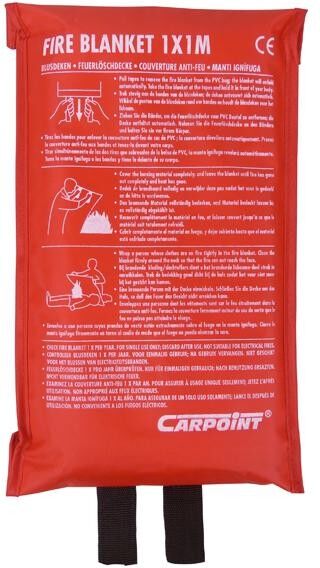
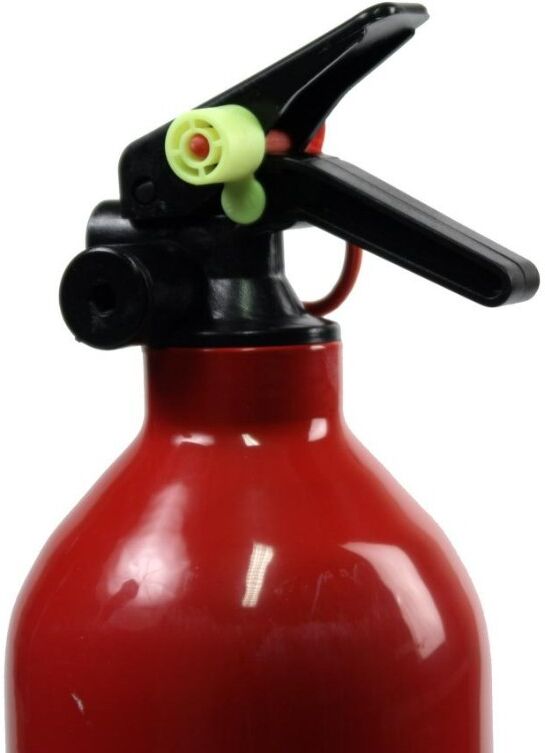

-
How old is the fire extinguisher?
The age of a fire extinguisher can be determined by checking the manufacturing date stamped on the cylinder. Typically, fire extinguishers have a lifespan of 5-15 years, depending on the type and manufacturer. It is important to regularly inspect and maintain fire extinguishers to ensure they are in proper working condition and within their expiration date. **
-
What type of ABF fire extinguisher?
An ABF fire extinguisher is a type of fire extinguisher that is designed to handle fires involving ordinary combustibles (Class A), flammable liquids and gases (Class B), and cooking oils and fats (Class F). This type of fire extinguisher is versatile and can be used in a variety of settings, including homes, kitchens, and commercial buildings. It is important to have the appropriate type of fire extinguisher on hand for the specific fire hazards present in a given environment. **
-
What kind of ABF fire extinguisher?
An ABF fire extinguisher is a type of extinguisher that is specifically designed to combat fires involving ordinary combustibles (Class A), flammable liquids and gases (Class B), and energized electrical equipment (Class C). This type of extinguisher is versatile and effective in a variety of fire situations, making it a popular choice for homes, offices, and commercial buildings. The ABF rating indicates that the extinguisher is suitable for use on multiple types of fires, providing a comprehensive solution for fire safety. **
-
Is an old fire extinguisher dangerous?
Yes, an old fire extinguisher can be dangerous because it may not work effectively in case of a fire emergency. Over time, the chemicals inside the extinguisher can degrade or leak, rendering it ineffective. It is important to regularly check the expiration date and condition of a fire extinguisher to ensure it is safe to use in case of a fire. If an extinguisher is old or damaged, it should be replaced immediately to avoid any risks. **


Have you eaten a fire extinguisher?
No, I have not eaten a fire extinguisher. Fire extinguishers are not meant to be consumed and doing so could be extremely dangerous. It is important to use fire extinguishers for their intended purpose of putting out fires and to follow proper safety guidelines when handling them. **
Can a fire extinguisher cause high costs?
Yes, a fire extinguisher can cause high costs if it is not properly maintained or if it is used incorrectly. For example, if a fire extinguisher is not regularly inspected and serviced, it may not work effectively in an emergency, leading to potential property damage and costly repairs. Additionally, if a fire extinguisher is discharged unnecessarily or inappropriately, it may result in the need for refilling or replacement, adding to the overall costs. Proper training on how to use a fire extinguisher can help prevent unnecessary expenses. **
Top-Angebote
Products related to Extinguisher:
-
CARCOMMERCE 68651 Fire extinguisherFill Medium: Dry Powder; Features: with gauge; Operating temperature from [°C]: -30, №3961/2020; Operating temperature to [°C]: +60; Pressure [bar]: 22; Operating Pressure [bar]: 11; Content [kg]: 1; Weight [kg]: 1.7; Height [cm]: 27; Diameter [cm]: 1011,99 £*Shipping: 8,45 £Secure redirect to the provider
-
GLORIA 2101.0000 Fire extinguisherWeight [kg]: 9,1; Size: 500 x 270 x 165 mm; Temperature range [°C]: -30 + 60; Pulse Duration [ms]: 6m / 16 sec; Time Domain: 16 sek; Fill Medium: Dry Powder; Country Specific Design: Germany; Content [kg]: 6; Group: ABC60,99 £*Shipping: 8,45 £Secure redirect to the provider
-
Is the fire extinguisher leaking?
To determine if the fire extinguisher is leaking, you should check for any visible signs of leakage such as puddles or stains around the extinguisher. Additionally, inspect the pressure gauge to see if it is showing a decrease in pressure, which could indicate a leak. If you suspect a leak, it is important to address it immediately by contacting a professional to assess and repair the extinguisher to ensure it is functioning properly in case of an emergency. **
-
Can a fire extinguisher explode?
Yes, a fire extinguisher can explode if it is exposed to high temperatures or if it is damaged. The pressure inside the extinguisher can build up to dangerous levels, causing it to burst. It is important to handle fire extinguishers carefully and ensure they are properly maintained to prevent the risk of explosion. **
-
How old is the fire extinguisher?
The age of a fire extinguisher can be determined by checking the manufacturing date stamped on the cylinder. Typically, fire extinguishers have a lifespan of 5-15 years, depending on the type and manufacturer. It is important to regularly inspect and maintain fire extinguishers to ensure they are in proper working condition and within their expiration date. **
-
What type of ABF fire extinguisher?
An ABF fire extinguisher is a type of fire extinguisher that is designed to handle fires involving ordinary combustibles (Class A), flammable liquids and gases (Class B), and cooking oils and fats (Class F). This type of fire extinguisher is versatile and can be used in a variety of settings, including homes, kitchens, and commercial buildings. It is important to have the appropriate type of fire extinguisher on hand for the specific fire hazards present in a given environment. **
Similar search terms for Extinguisher
-
What kind of ABF fire extinguisher?
An ABF fire extinguisher is a type of extinguisher that is specifically designed to combat fires involving ordinary combustibles (Class A), flammable liquids and gases (Class B), and energized electrical equipment (Class C). This type of extinguisher is versatile and effective in a variety of fire situations, making it a popular choice for homes, offices, and commercial buildings. The ABF rating indicates that the extinguisher is suitable for use on multiple types of fires, providing a comprehensive solution for fire safety. **
-
Is an old fire extinguisher dangerous?
Yes, an old fire extinguisher can be dangerous because it may not work effectively in case of a fire emergency. Over time, the chemicals inside the extinguisher can degrade or leak, rendering it ineffective. It is important to regularly check the expiration date and condition of a fire extinguisher to ensure it is safe to use in case of a fire. If an extinguisher is old or damaged, it should be replaced immediately to avoid any risks. **
-
Have you eaten a fire extinguisher?
No, I have not eaten a fire extinguisher. Fire extinguishers are not meant to be consumed and doing so could be extremely dangerous. It is important to use fire extinguishers for their intended purpose of putting out fires and to follow proper safety guidelines when handling them. **
-
Can a fire extinguisher cause high costs?
Yes, a fire extinguisher can cause high costs if it is not properly maintained or if it is used incorrectly. For example, if a fire extinguisher is not regularly inspected and serviced, it may not work effectively in an emergency, leading to potential property damage and costly repairs. Additionally, if a fire extinguisher is discharged unnecessarily or inappropriately, it may result in the need for refilling or replacement, adding to the overall costs. Proper training on how to use a fire extinguisher can help prevent unnecessary expenses. **
* All prices are inclusive of VAT and, if applicable, plus shipping costs. The offer information is based on the details provided by the respective shop and is updated through automated processes. Real-time updates do not occur, so deviations can occur in individual cases. ** Note: Parts of this content were created by AI.